
Diabetes is surging in Africa. But, in a continent where healthcare systems are set up to support treatments for infectious – not non-communicable – diseases, can pharma companies step up to meet demand? A new report from the Access to Medicine Foundation suggests that they can, but that new market approaches are needed.
A Growing Burden
The continent’s disease burden is changing, and quickly. Non-communicable diseases (NCDs) are expected to become the leading cause of death in sub-Saharan Africa by 2030, and an estimated 1.92 million people are living with type 1 diabetes across Africa. However, only half of these type 1 diabetes patients currently have reliable access to insulin.
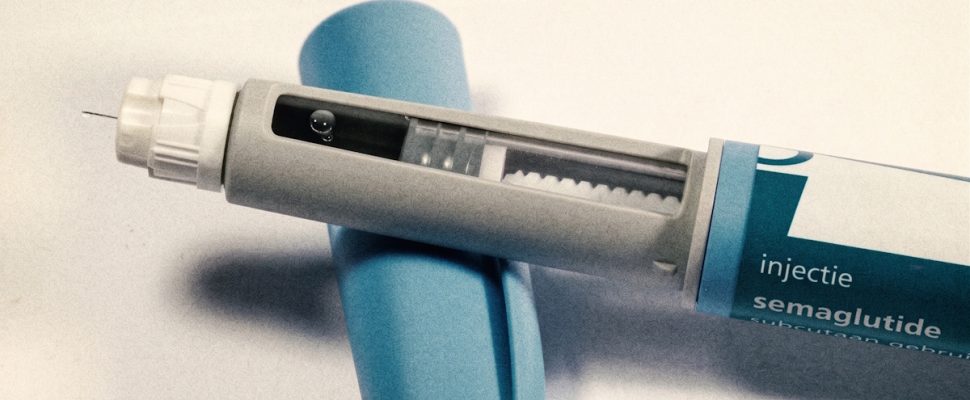
Most African markets were built around providing access to HIV, TB or malaria drugs and vaccines, not heart disease medication or GLP-1 treatments for diabetes or obesity that patients are required to take continuously, often for years.
“Historically, NCDs haven’t received the same attention from donors or governments as infectious diseases,” admits AMF Director of Research Claudia Martinez. “We are seeing some progress; several countries are upgrading their insurance and reimbursement systems, and financing NCDs was a major discussion at last year’s World Health Assembly. Beyond allocating budget to high-priority diseases, some countries are using health taxes – on sugar and tobacco – to help fund NCD care.”
She continues, “This is going to be a big driver, because it’s not just about whether you can produce a medicine, but how much of that production reaches patients affordably. Even where reimbursement isn’t in place, out-of-pocket payment often remains unacceptably high.”
Regulatory divergence between countries within Africa is also a roadblock to wider access. While 30 countries have now ratified the treaty establishing the African Medicines Agency, and some progress has been made on mutual reliance, the AMA’s ultimate goal of having companies filing a single dossier and then having access to multiple markets within Africa is still some way off.
“Right now, one of the main deterrents for companies – small and large – is the cost and time it takes to file for registration separately, country by country,” says Martinez.
The Power of Partnership
The report looks at how eight generics companies – a mixture of local, Indian, and Western firms – are making progress in bringing NCD treatments to Africa, and keeping them produced in Africa.
Martinez notes that partnerships, which are becoming “more substantial, more strategic, and more complex,” are at the core of these companies’ efforts.
She adds, “They can range from product development with partners like Medicines for Malaria Venture or Drugs for Neglected Diseases (DNDi), through technology transfer with innovator companies, to financing partnerships with development finance institutions, since capital remains a real constraint. The key point is that partnerships matter most when they build lasting capacity within the system rather than one-off access.”
Another of the report’s authors, AMF Researcher Johanna Kerins, was similarly effusive about the impact these partnerships are already having. “There are early-stage collaborations focused on market entry – multinational companies testing the waters in a market for a given product, expanding their reach,” she notes. “But we’re now seeing a shift towards partnerships that instil skills and build capacity in local players.”
In diabetes, Africa has already seen the first commercial batches of locally manufactured insulin produced on the continent, supplied by South African firm Aspen Pharmacare, Africa’s largest pharma company, through its partnership with Danish diabetes and obesity giant Novo Nordisk.
Egyptian firm EVA Pharma is another diabetes success story, drawing on a tie-up with the other key global player in the diabetes/obesity space, Eli Lilly. “EVA’s partnership with Lilly on insulin built credibility in that space and catalysed investment into a biologics facility certified to EU Good Manufacturing Practice standards, giving them the capability to produce insulin locally,” explains Kerins.
“That, in turn, positioned them to attract further partnerships in oncology. So you can see how early agreements build the foundations for more complex NCD medicines – effectively setting a company up as an NCD hub.”
Smaller companies too have a role in tackling Africa’s diabetes epidemic. The report shows that Nigerian family-owned Emzor is now the only supplier of an extended-release tablet of the oral diabetes medication metformin in its market.
“The idea isn’t that partnerships should eventually become unnecessary for African-based manufacturers,” concludes Kerins. “It’s more that these partnerships can become a vehicle for African manufacturers to pursue their own agenda; partnerships shouldn’t just be a stepping stone, but a lasting mechanism for these companies to level up and scale in the NCD space.”