Korea Yeon-Jae (Kate) Lee, Head of Asia at Recordati Rare Diseases, explains why the group established its regional base in Seoul, how diagnosis rather than genetics distinguishes Asian markets from one another, and what ring-fenced funding would mean for patients with rare conditions. She also makes the case for treating rare…
USA Randy Pritchard, General Manager and Senior Vice President of Clinical Operations for North America at bioMérieux, a global leader in in vitro diagnostics, speaks about the outsized strategic weight of the North American market, which accounts for nearly half of the company’s global revenue and a third of its workforce.…
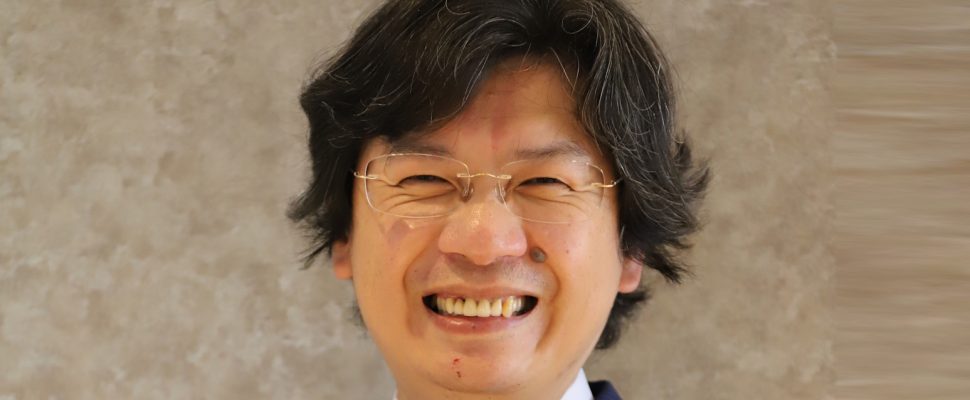
Korea Our mission has remained constant: to develop and provide cancer patients with precise treatment and early detection, and to improve patient outcomes Dr. Tae-You Kim, CEO and Co-Founder of IMBdx, discusses the company’s liquid biopsy technology, AI-driven genomic analysis and ambition to build a global precision oncology platform. He outlines…
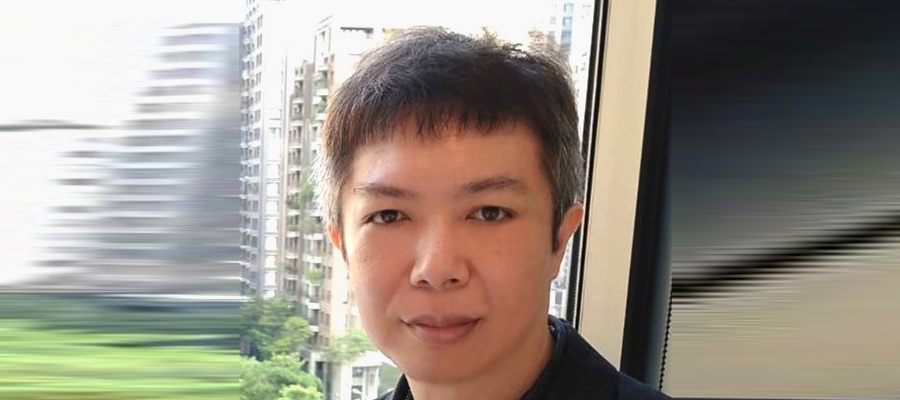
Taiwan A genuinely healthy lifestyle can help prevent neurodegenerative disease Charles S.Y. Yang discusses how his background in physics and quantum sensing led to the founding of MagQu, pioneering ultra-sensitive blood biomarker diagnostics for Alzheimer’s and other neurodegenerative diseases. He explains the company’s SQUID-based technology, commercial journey, regulatory ambitions and funding…
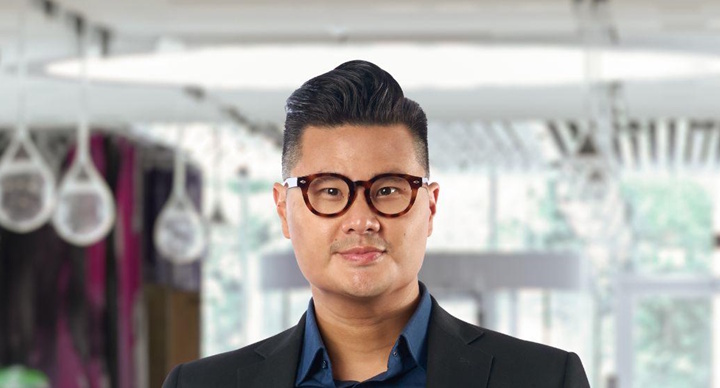
Taiwan Dr. I-Shu Lee, founder and CEO of Vitae Biomedical, began his career as a postdoctoral researcher before making the uncommon leap from academic laboratory to entrepreneurship in 2019. Built around a proprietary urine-based protein detection technology for early cancer screening, Vitae Biomedical has already achieved commercial traction in Taiwan, partnering…
UAE Prof. Fatma Al Jasmi, Professor of Biochemical Genetics at the UAE University’s College of Medicine & Health Science and the UAE’s first biochemical genetics consultant, has spent nearly two decades building a rare and genetic disease infrastructure from the ground up. Prof. Al Jasmi traces that journey – from persuading…
MEA For decades, the Middle East has faced a disproportionately high burden of rare genetic disorders, fuelled both by deep-rooted cultural practices and an overreliance on Western genomic data. Fast forward to 2026, and massive genome projects across the Gulf region are attempting to shift the narrative. Backed by immense sovereign…
USA Katherine Stueland, CEO of GeneDx, describes transforming the 26-year-old NIH spinout into a scalable, patient-focused business. Leveraging the Infinity database, strategic biopharma partnerships, AI-driven interpretation, and cost-efficient exome and genome testing, GeneDx accelerates rare disease diagnosis. The company is aiming to assist in the expansion of newborn screening programs as…
Hong Kong Roche Diagnostics Hong Kong is entering a defining phase as the city accelerates its shift toward primary care, early detection and data-driven decision making. In this interview, General Manager Ronald Lo reflects on eighteen months of strategic progress, from expanding point-of-care testing and preparing breakthrough Alzheimer’s‑related biomarkers to shaping regulatory…
USA Tony Zook reflects on how decades in pharmaceutical leadership inform his perspective on diagnostics as the backbone of precision oncology. This discussion traces NeoGenomics’ evolution from a haematology specialist to a broader oncology platform spanning therapy selection, next-generation sequencing (NGS), and molecular residual disease (MRD). Set against the realities of…
MEA Hussein Abhari, Head of the MENA region, QIAGEN, has led the company’s regional presence since 2017, spanning products for molecular research and clinical testing. His priorities focus on strengthening long-term partnerships, supporting national healthcare strategies, building local scientific capacity and ensuring advanced molecular and genetic technologies translate into real-world clinical…
USA Precision medicine increasingly depends on diagnostics that can keep pace with therapeutic innovation while remaining accessible in real-world care. Jonathan Arnold reflects on how QIAGEN approaches oncology and emerging hereditary disease programmes by aligning diagnostic development with pharmaceutical pipelines, prioritising decentralisation, and investing in technologies that support both translational insight…
See our Cookie Privacy Policy Here