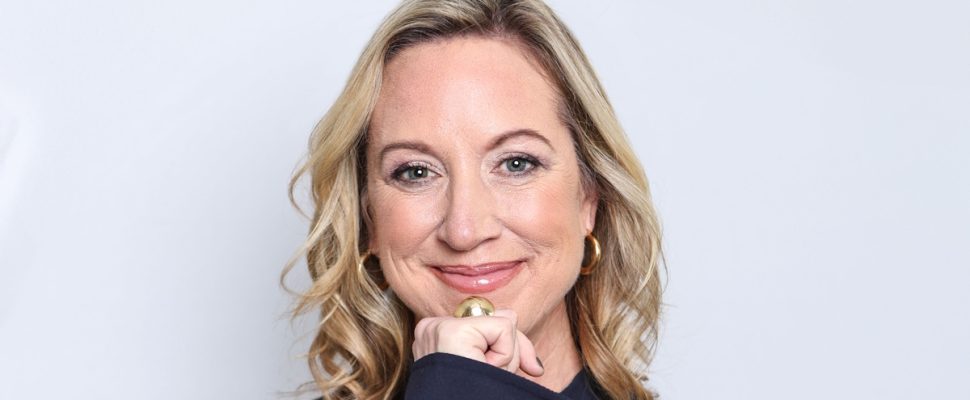
USA Tanya Carro details Duchesnay Pharmaceutical Group’s organic expansion from its women’s health core into rare diseases and generics. Operating across three geographic pillars, the privately held firm leverages Canadian pricing discipline and US entrepreneurial agility. Carro emphasizes navigating complex reimbursement landscapes through holistic patient support and securing global supply chains…
USA Priya Kishnani, Director of the Division of Medical Genetics at Duke University School of Medicine, discusses how multidisciplinary care, global collaboration, and rapidly advancing therapeutic technologies are reshaping the rare disease landscape. Drawing on decades of experience across diagnosis, natural history research, and the development of transformative treatments, she outlines…
USA How can rare disease innovation move faster without lowering scientific or regulatory standards? In this interview, PJ Brooks explains how the National Center for Advancing Translational Sciences is shifting rare disease development toward platform-based thinking, shared molecular pathways, and early regulatory alignment. From genome editing and gene therapy to open…
USA Katherine Stueland, CEO of GeneDx, describes transforming the 26-year-old NIH spinout into a scalable, patient-focused business. Leveraging the Infinity database, strategic biopharma partnerships, AI-driven interpretation, and cost-efficient exome and genome testing, GeneDx accelerates rare disease diagnosis. The company is aiming to assist in the expansion of newborn screening programs as…
MEA Dr Said Ismail, geneticist and professor of genomics at Hamad Bin Khalifa University, reflects on his role as the founding director and one of the architects of the Qatar Genome Programme (QGP), one of the Middle East’s most established and globally recognised population‑level genomics initiatives. He describes the pivotal decisions…
USA Matt Heck, founder and CEO of Sentynl Therapeutics, outlines the company’s acquisition-led rare disease strategy following its integration into Zydus Group in 2017. He discusses building a focused portfolio of life-extending paediatric therapies, leveraging orphan drug incentives, prioritising early diagnosis, expanding internationally, and partnering closely with patient foundations to maximise…
France France is considered among the leading rare disease markets worldwide, both scientifically and organisationally. The country has cultivated a fully-fledged supporting ecosystem for rare conditions that is today regarded as a benchmark internationally, and which few other countries have proven able to match. “Back in the mid-2000s, under the…
France France’s patient advocacy network is one of Europe’s most well-developed and formalised. Patient advocacy groups – including the three featured below – fill in research, care, and support gaps left by private industry and the state while elevating the concerns of the most important people within healthcare: patients and their…
UAE Global advances in rare blood disorders increasingly hinge on where evidence is generated, how patients are followed, and whether innovation reaches beyond a limited few. Khaled Musallam describes how clinical reality at Burjeel informs international research, trial design, and guideline development, while pressing for models that balance scientific ambition with…
MEA CTI EMEA Managing Director Alaa Assem is a physician, ophthalmologist and MBA holder with over 30 years of experience in pharma and clinical research organisations. Since joining CTI, he has strengthened the company’s presence in the Middle East, focusing on rare disease, gene and cell therapy, oncology, and transplantation. CTI…
MEA Rare diseases remain among the most complex and least visible challenges facing healthcare systems, particularly in regions where genetic factors amplify the burden. In this conversation, Ahmed Salem, Head of AstraZeneca Rare Diseases in the Gulf, reflects on how rare disease strategy is translated into regional action, spanning innovation, diagnostics,…
USA Patients and carers with lived experience of a disease have valuable insights to share with physicians and drug developers alike. This is especially true of rare diseases, defined in the US as those that affect fewer than 200,000 people nationwide and which collectively impact over 30 million Americans. For these…
See our Cookie Privacy Policy Here