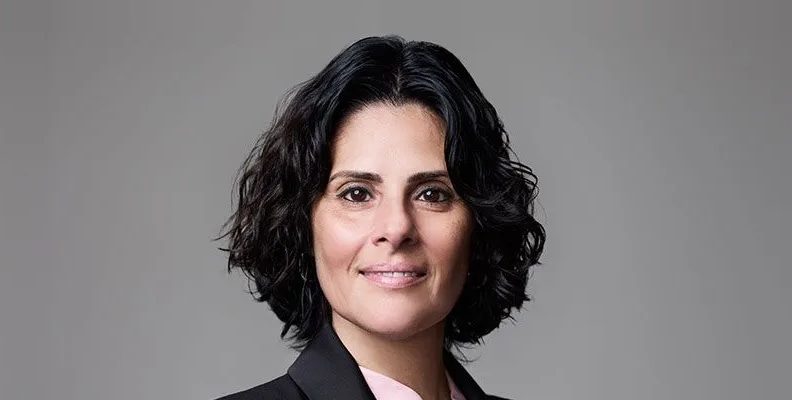
USA For rare disease patients, the promise of a new therapy raises questions that extend well beyond regulatory approval, from identifying those most likely to benefit to determining whether its effects will last. Dr Maisha Draves, associate executive director of The Permanente Medical Group, examines how Kaiser Permanente navigates these uncertainties…
USA For nearly 30 years, patients with essential thrombocythaemia had no new FDA-approved treatment. PharmaEssentia’s BESREMi has now changed that, and it adds a second US indication for the drug after polycythaemia vera. Founder and CEO Dr Ko-Chung Lin explains how the Taiwanese company collaborated with the FDA to achieve the…
USA Trust is the basis of any relationship, and the rare disease community is an excellent example of why transparent, constructive collaboration is essential to advancing treatments for patients Scientific advances are transforming what is possible for patients with rare diseases, yet the policies governing access to these treatments often struggle…
Europe There is no reason why patients with common diseases should have access to improved second- or third-generation treatments, while those living with rare diseases do not Europe helped pioneer rare disease innovation, yet the policies and research environment that once set it apart are increasingly being tested. Dr Soraya Bekkali,…
Korea Yeon-Jae (Kate) Lee, Head of Asia at Recordati Rare Diseases, explains why the group established its regional base in Seoul, how diagnosis rather than genetics distinguishes Asian markets from one another, and what ring-fenced funding would mean for patients with rare conditions. She also makes the case for treating rare…
Europe How can Europe’s mid-sized companies compete with Big Pharma and bring life-changing innovations to patients? The answer, increasingly, is rare diseases. Most rare diseases still have no available treatments, and the majors tend to pass on niche assets with limited potential markets. This is where companies like Angelini, Servier,…
Turkey Innovative medicines can take five to ten years to reach patients in emerging markets, if they arrive at all. Since 2013, Inpharmus has worked to close that gap, commercialising oncology and rare disease therapies for biotech and pharma partners across the Middle East, North Africa, Türkiye, and CIS. CEO İsmet…
Europ Angelini Pharma’s transition from a predominantly European pharmaceutical business to a global player in both brain health and rare neurological diseases represents a significant shift in strategy and ambition. CEO Sergio Marullo di Condojanni examines how the acquisition of Catalyst accelerates this transformation, the challenges of sustaining pharmaceutical innovation in…
MEA Swiss market expansion group DKSH has agreed to buy NewBridge Pharmaceuticals, a Dubai-based company that commercialises specialty and rare disease medicines across the Middle East and North Africa, for USD 390 million. PharmaBoardroom has followed NewBridge closely since its early years, interviewing CEO Joe Henein four times since 2013,…
Korea Brad Edwards became the first foreign general manager in the Lundbeck Korea’s 23-year history last year, joining from a background at Shire and Takeda across Australia and Singapore. He spoke to us about steering the company’s shift from psychiatry toward neuro-rare disease, the upcoming launch of its new migraine treatment,…
Germany DACH should become a powerhouse for the Group Germany is emerging as a key growth and launch market for Ipsen, with the DACH region now ranking as the Group’s leading European affiliate and gaining momentum across Oncology, Rare Disease and Neuroscience. As Ipsen enters its next phase of growth, new…
Europe Eight years into its shift into rare diseases, Ferrer is moving into a new phase as its pipeline matures. CEO Mario Rovirosa reflects on the setbacks and lessons shaping that journey, as well as the growing pressures on Europe’s ability to sustain innovation and patient access. Throughout, Ferrer’s commitment to…
See our Cookie Privacy Policy Here