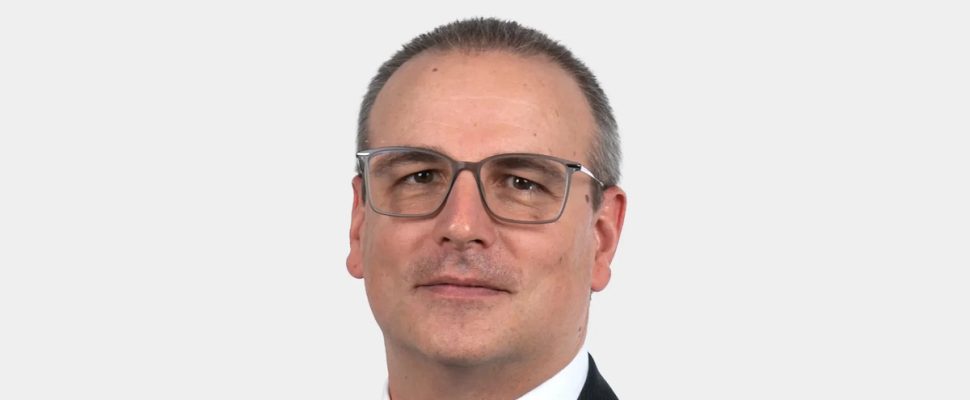
Global Bigger than a biotech and smaller than big pharma, Europe’s mid-sized drug makers have a different way of working, according to Stefan König, CEO of Merz Therapeutics. Speaking at the FT Global Pharma & Biotech Summit in London, he argues that family ownership gives them a longer-term view, faster decision-making…
Europe Pharma companies are regionalising their supply chains and investing heavily in their own manufacturing, particularly in the US, but this has not reduced demand for outsourcing partners. That demand is being driven by double-digit growth in ADCs, biologics and cell and gene therapies, and by small molecules that now need…
Germany I am absolutely convinced that Europe can play a much stronger role globally than it does today For Frank Lucaßen, leading medac into its next phase of development means building on the strengths of a successful family-owned pharmaceutical company while preparing it for continued international growth. Since becoming CEO in…
Global Pharma leaders talk a lot about science, capital, and competitiveness. Niren Thanky of executive search firm Spencer Stuart says that the key factor that decides whether any of it pays off is effective leadership. Science and capital create possibilities. Turning them into medicines depends on leadership systems – the…
Europe There is no reason why patients with common diseases should have access to improved second- or third-generation treatments, while those living with rare diseases do not Europe helped pioneer rare disease innovation, yet the policies and research environment that once set it apart are increasingly being tested. Dr Soraya Bekkali,…
Europe Europe accounts for more than half of Sandoz’s global sales, and the company keeps reinvesting here, from biosimilar development and manufacturing in Slovenvia and France to antibiotic production in Austria. Christophe Delenta, President Europe, explains how closely Sandoz’s success is tied to Europe, how the company plans to grow its…
Europe How can Europe’s mid-sized companies compete with Big Pharma and bring life-changing innovations to patients? The answer, increasingly, is rare diseases. Most rare diseases still have no available treatments, and the majors tend to pass on niche assets with limited potential markets. This is where companies like Angelini, Servier,…
Europe 24 of the top 25 injectable drugs on the market rely on a BD component. This position puts the company at the centre of the GLP-1 boom, the coming biosimilars wave, and the shift of injectable treatment from hospitals to patients’ homes. Patrick Jeukenne, BD’s worldwide president of Pharmaceutical Systems,…
Italy Our differentiation is based on the quality of our products, our scientific expertise and our approach to the market For Dompé, international growth is not simply a question of entering new markets, but of extending the scientific expertise, manufacturing capabilities and entrepreneurial vision that have shaped its business for generations.…
Europe Behind every dose of heparin lies a complex industrial process in which access to raw materials, traceability and manufacturing expertise are as important as the medicine itself. Luis Solera, CEO of Bioiberica, examines how the Barcelona-based group has turned these capabilities into a global business spanning human, animal and plant…
France We need to raise our voice and say: look at us too, there are also mid-sized pharma companies out there looking for something different In conversation at BIO 2026 in San Diego, Frédéric Scaerou, Head of Global Business Development at Servier, explains why the company is staying disciplined rather than…
Europe Michala Fischer-Hansen, EVP and Head of Europe & International Markets at Lundbeck, discusses her return to pharma and Lundbeck’s focused innovator strategy, centred on neuroscience, R&D and growth through regional partnerships. She examines Europe’s evolving pharmaceutical landscape, from patent expiries and pricing pressure to growing attention on brain health, and…
See our Cookie Privacy Policy Here